
The self cannot be seen directly; it is only when you collide with something else—something strong, something fearsome, something of great caliber—that it rebounds back to you, and you finally come to know who you are. That is the true self.
— Yohji Yamamoto
When I was in elementary school, fresh to the U.S. and still navigating the unease of an alien land, a Sichuan opera face-changing performance at an international student welcome event stopped me in my tracks. That moment—familiar cultural rhythms beating in an unfamiliar world—etched itself into my memory like a half-remembered melody.
Years later, back in my hometown, I stepped beyond the stage’s edge: standing face-to-face with inheritors of this intangible cultural heritage, camera in hand. Through my lens, I captured not just their on-stage dynamism, but the quiet behind-the-scenes moments too—fingers adjusting masks, breaths steadying before a performance, the soft glow of makeup mirrors. This was no distant observation; I leaned past the comfort of casual distance, choosing a close-up perspective to meet the art (and myself) where it lives most truly.
This project is my quiet homecoming to identity—finding, in every frame of mask and memory, the piece of myself I first glimpsed so far from home.

A Moment of the Intangible Heritage Inheritor on Stage
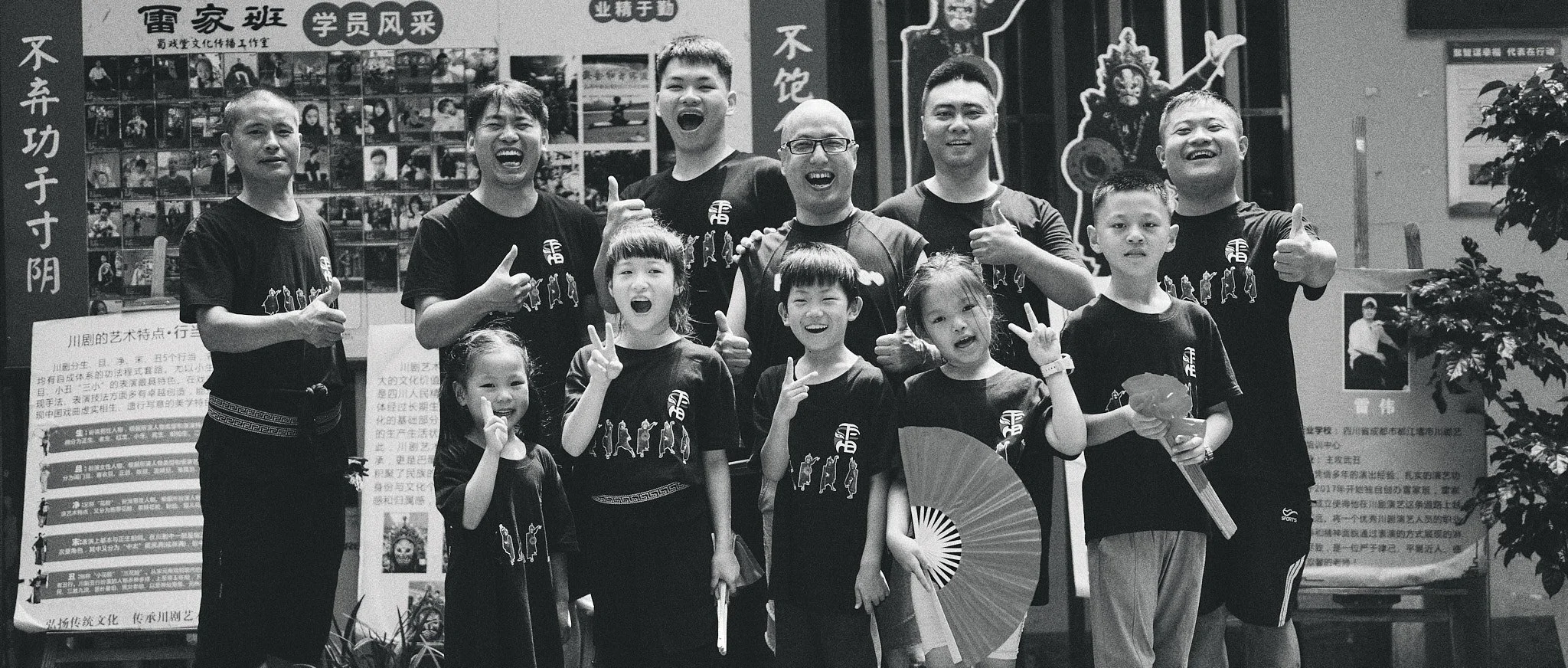
Lei Family Troupe (Sichuan Opera Face-Changing Intangible Cultural Heritage Inheritance Team)
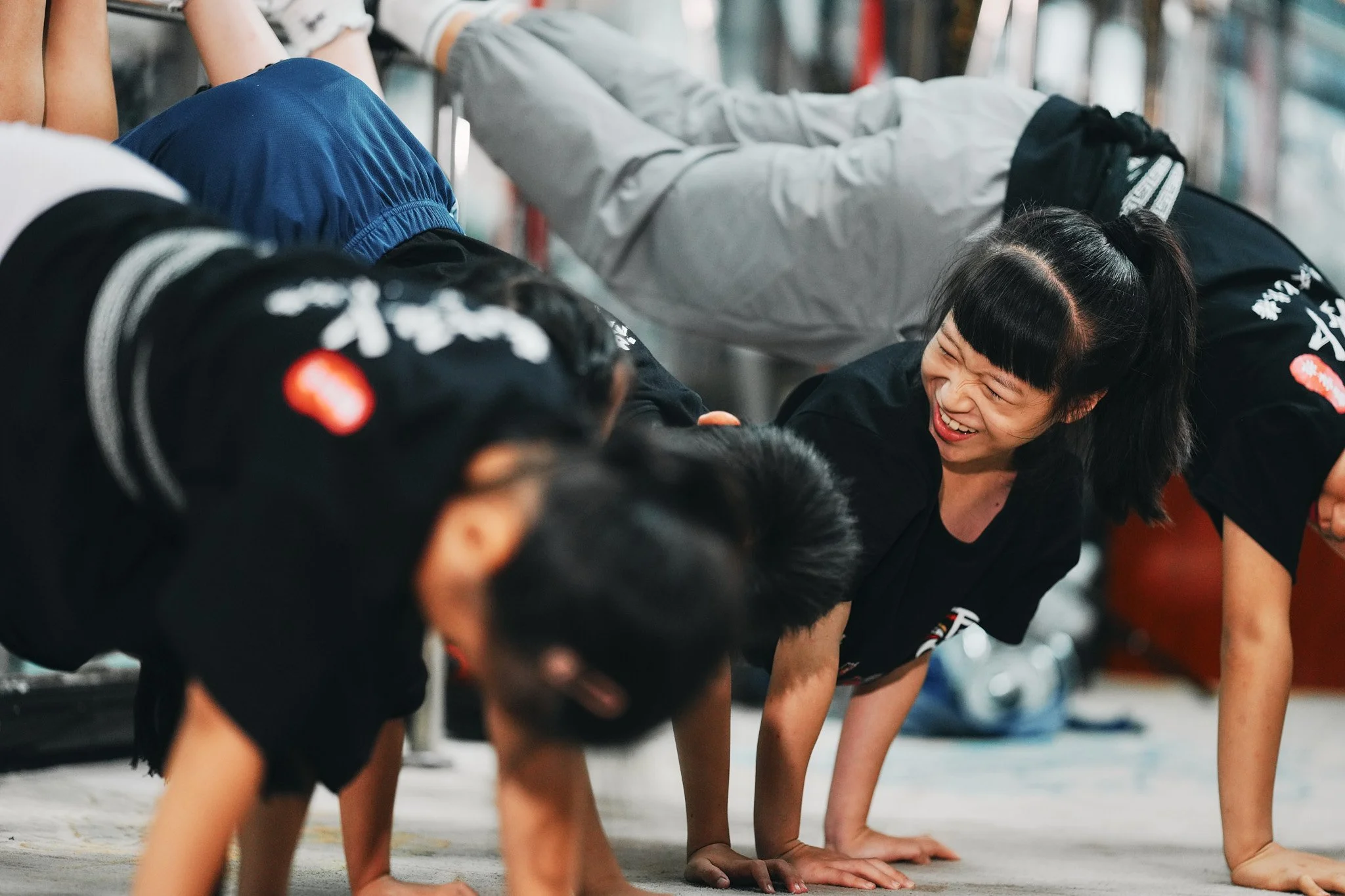
The apprentice is in training.
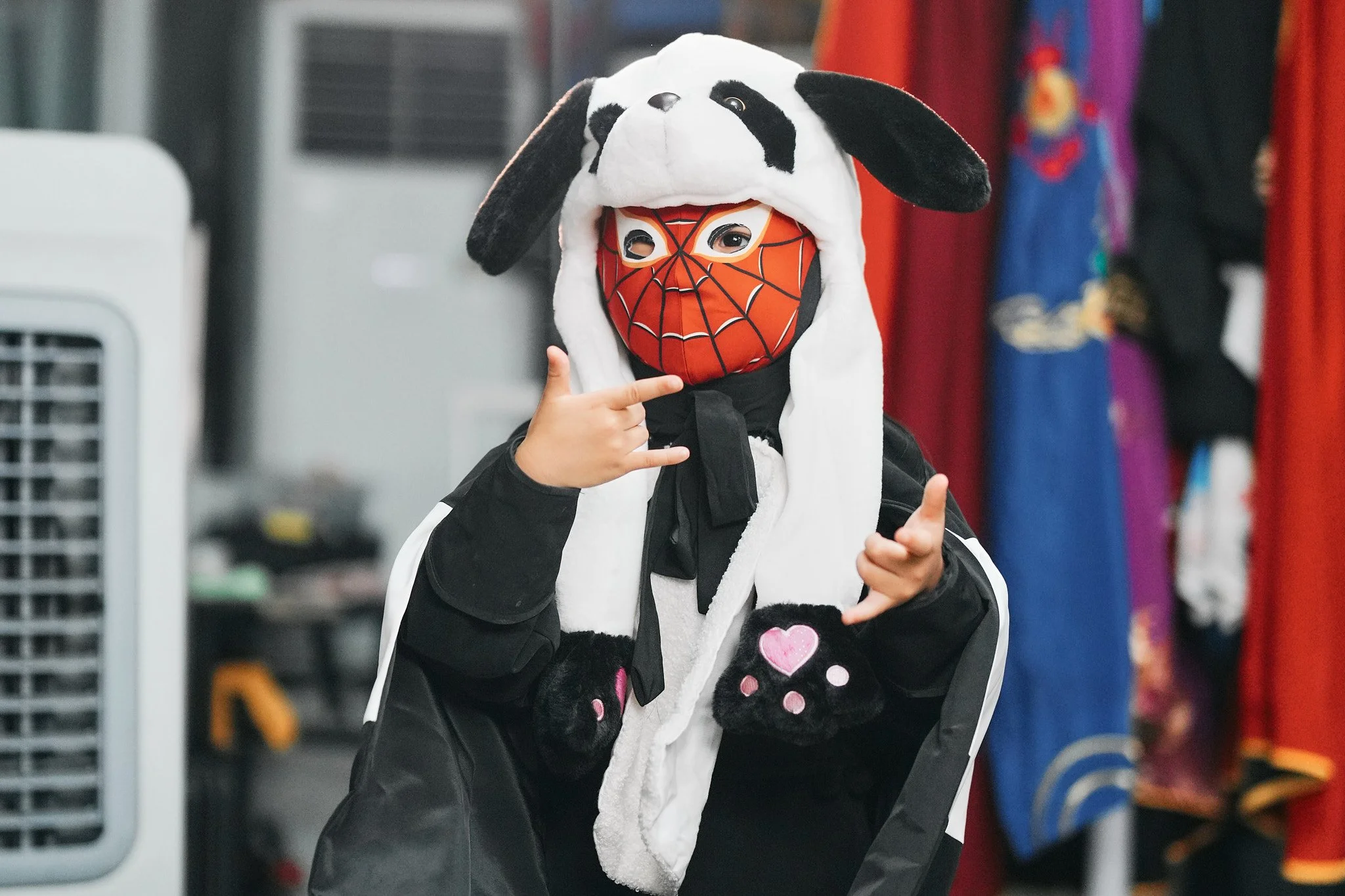
The apprentice is in training.
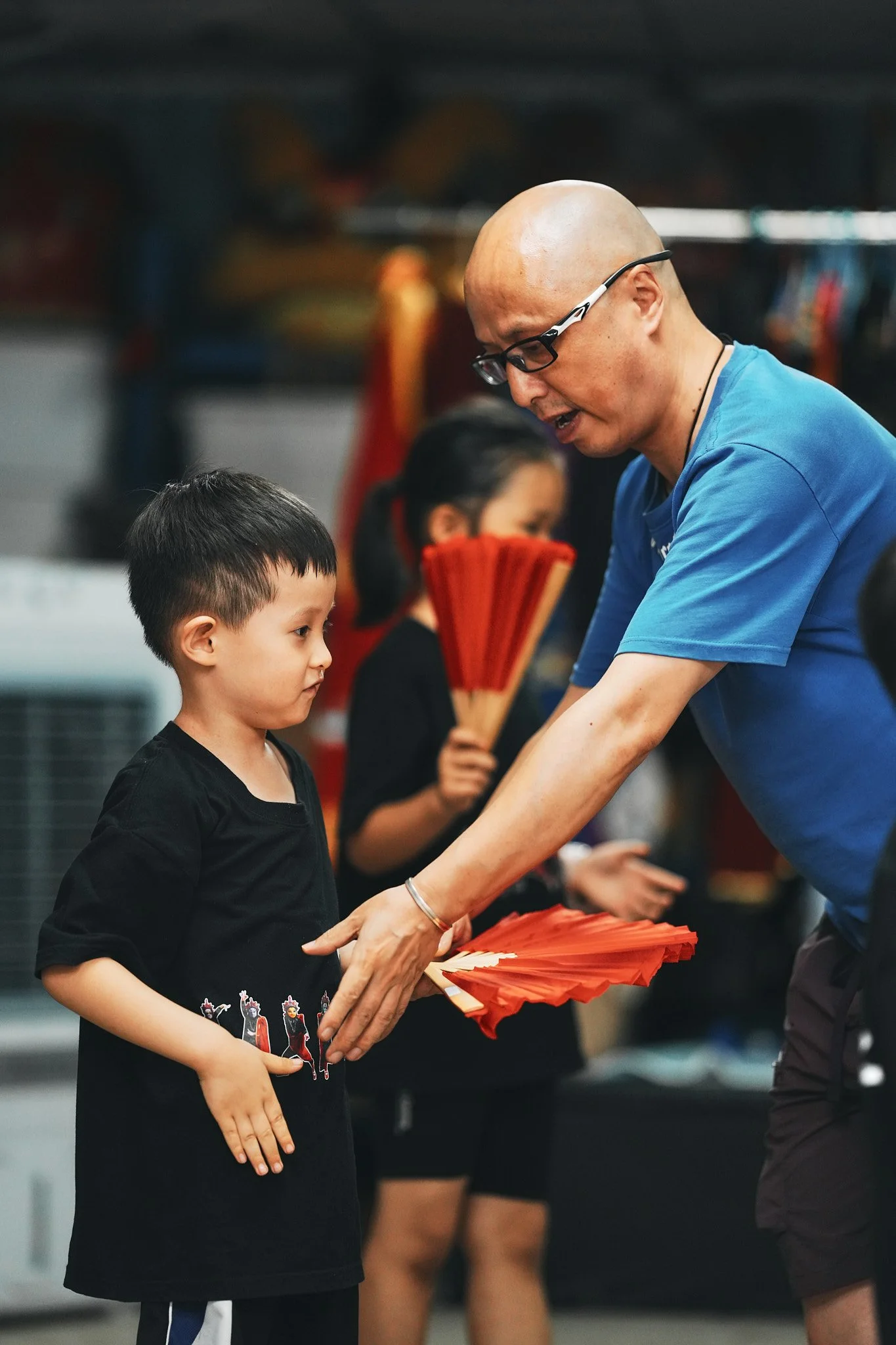
The apprentice is in training.
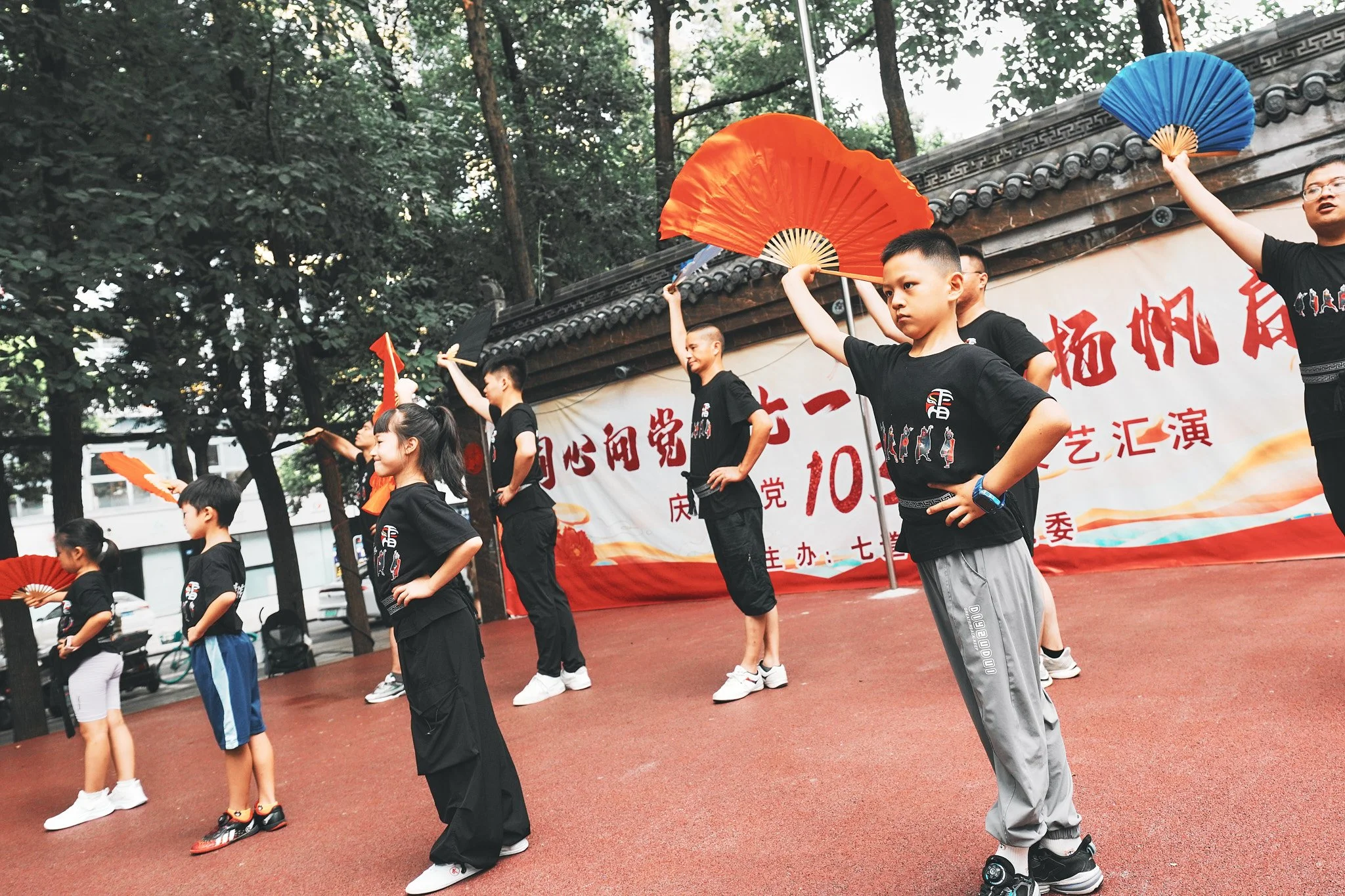
The apprentice is in training.
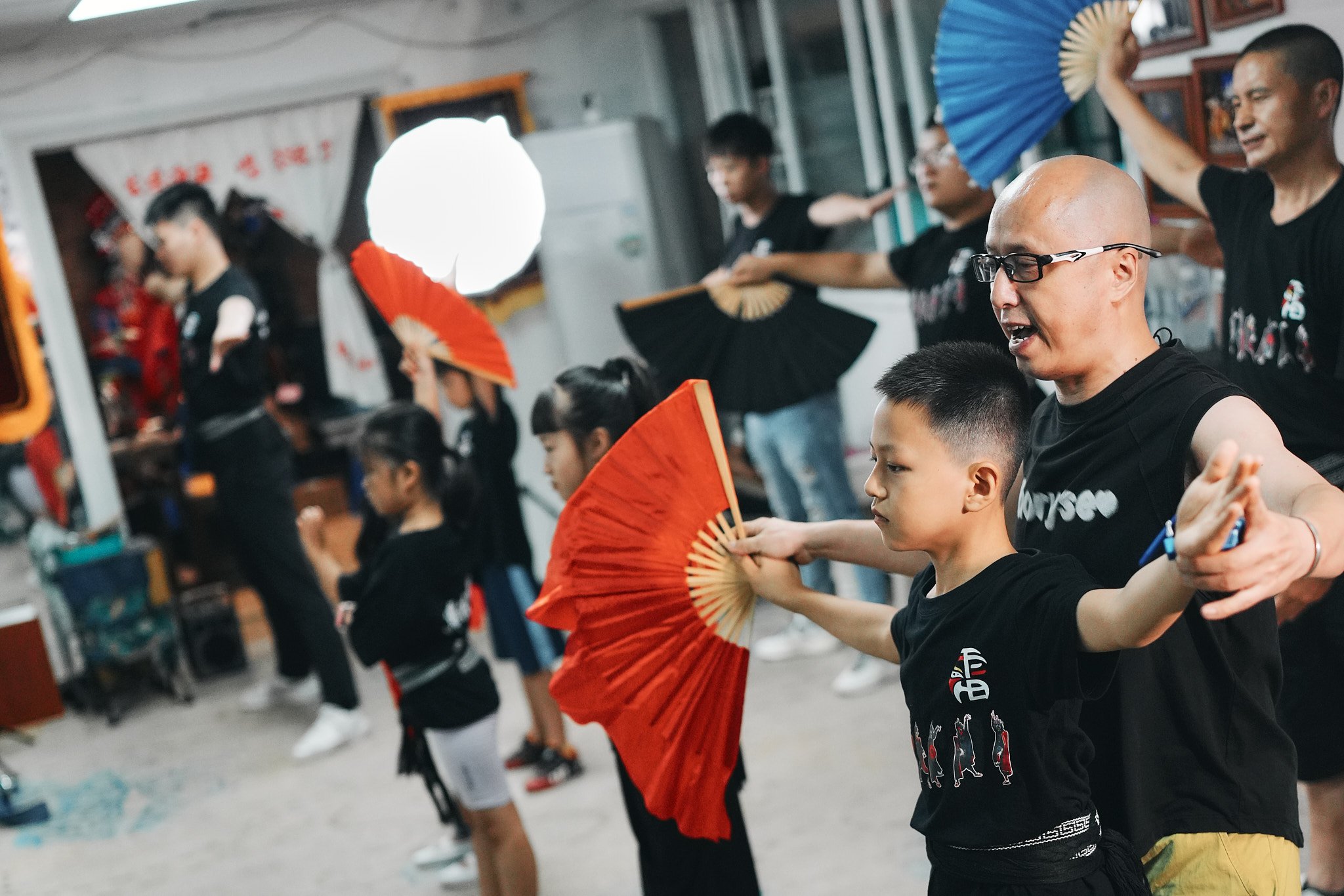
The apprentice is in training.
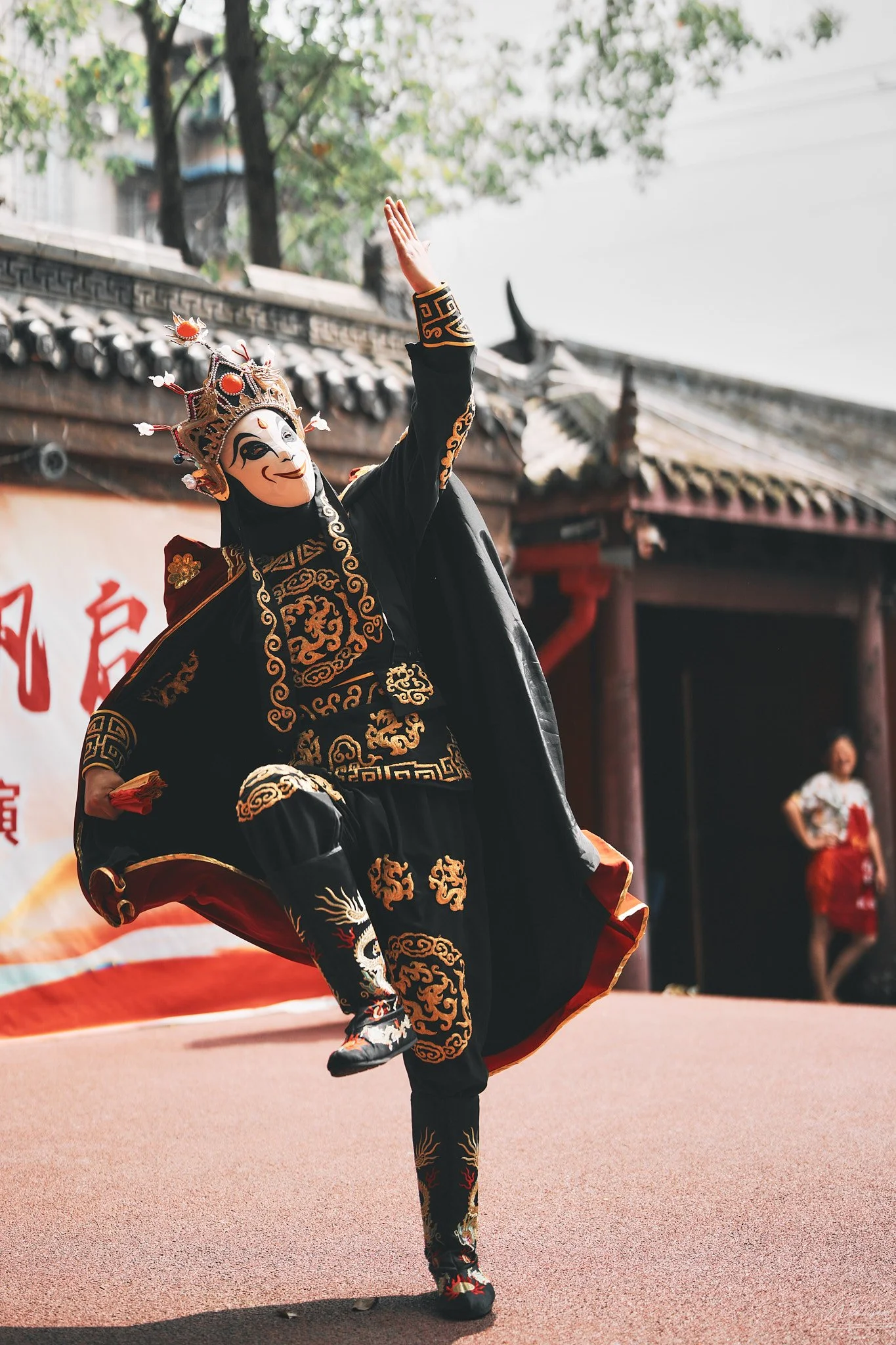
Take the stage
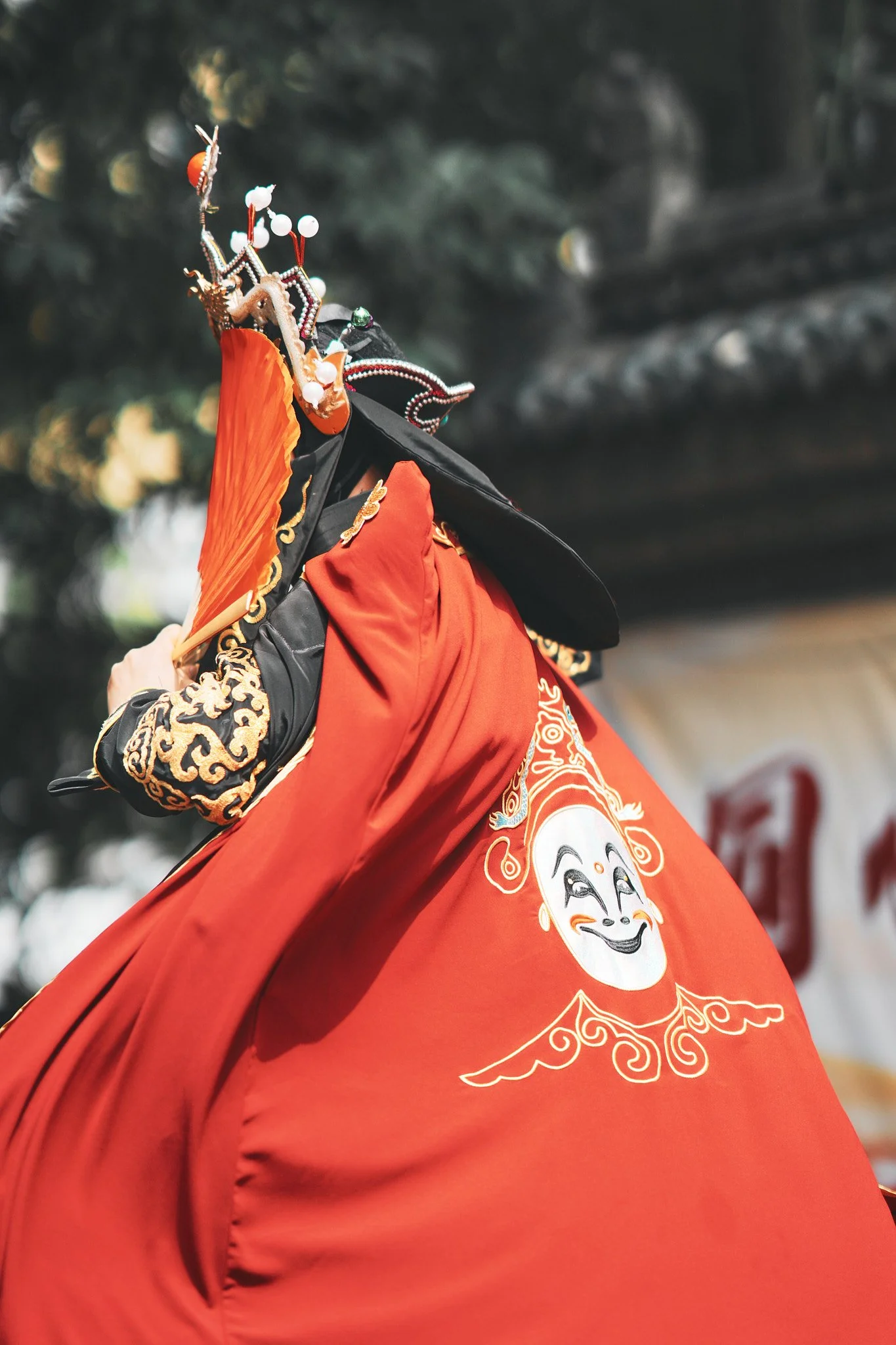
Cape
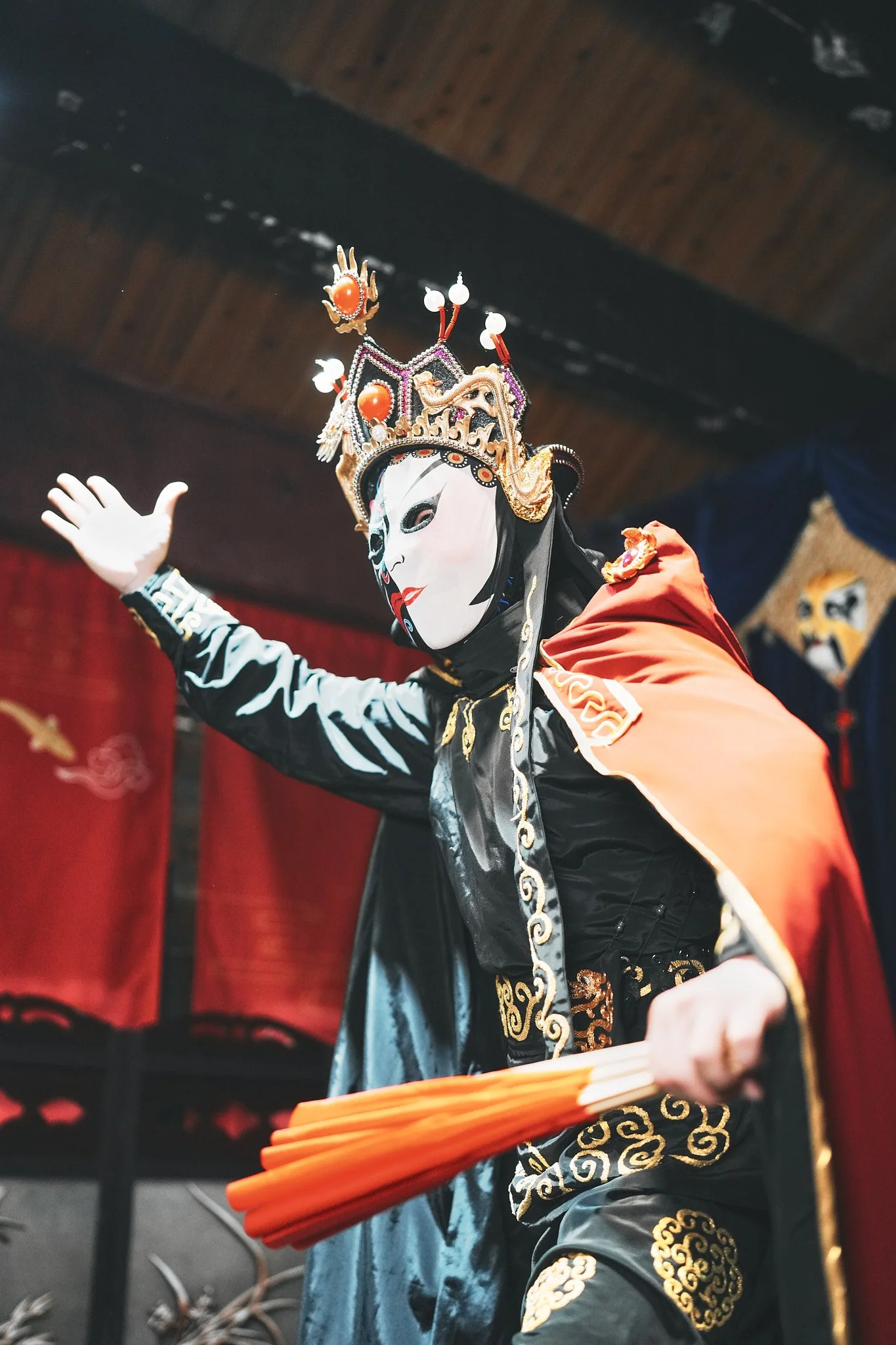
Untitled
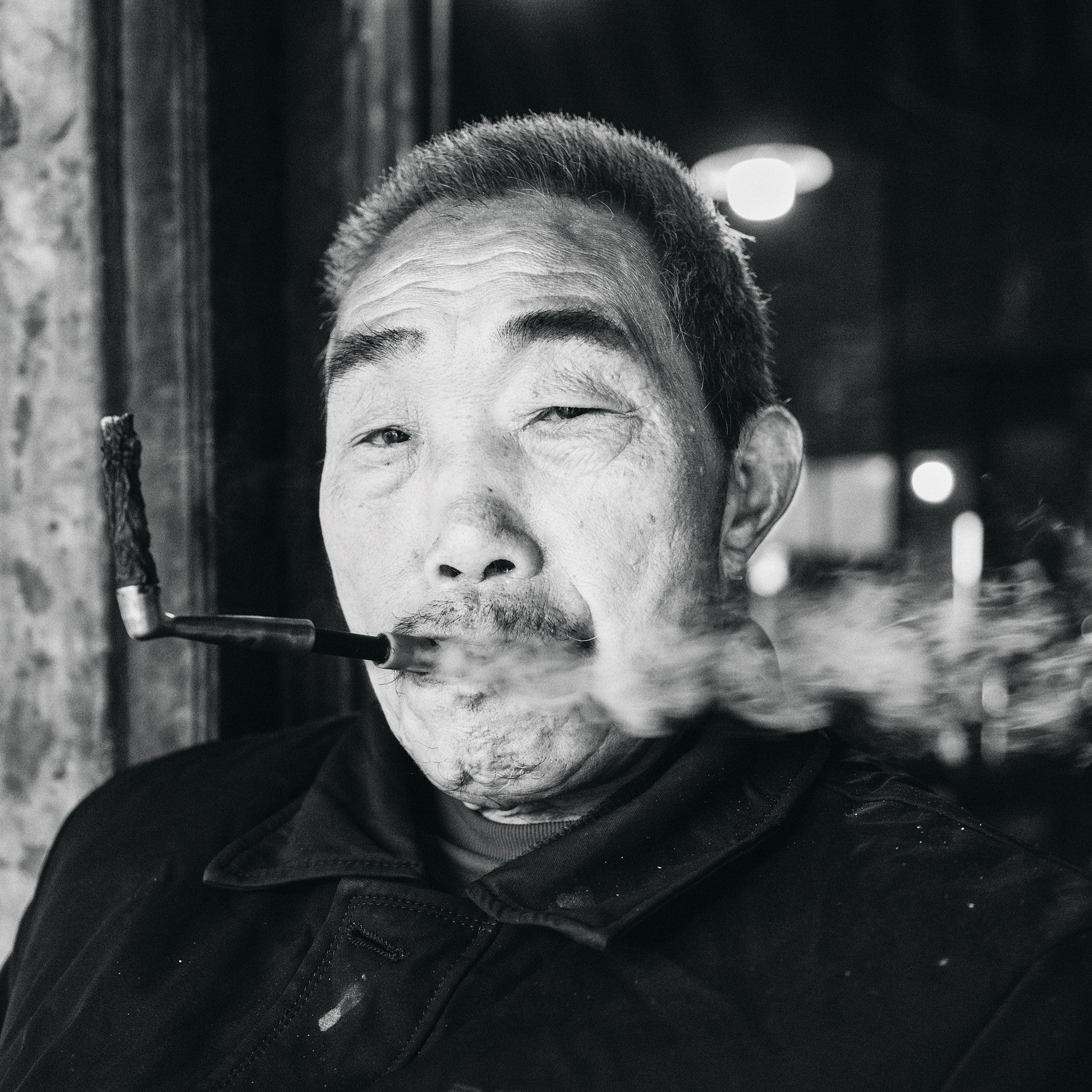
An elderly regular at the teahouse (a common venue for regular face-changing performances).
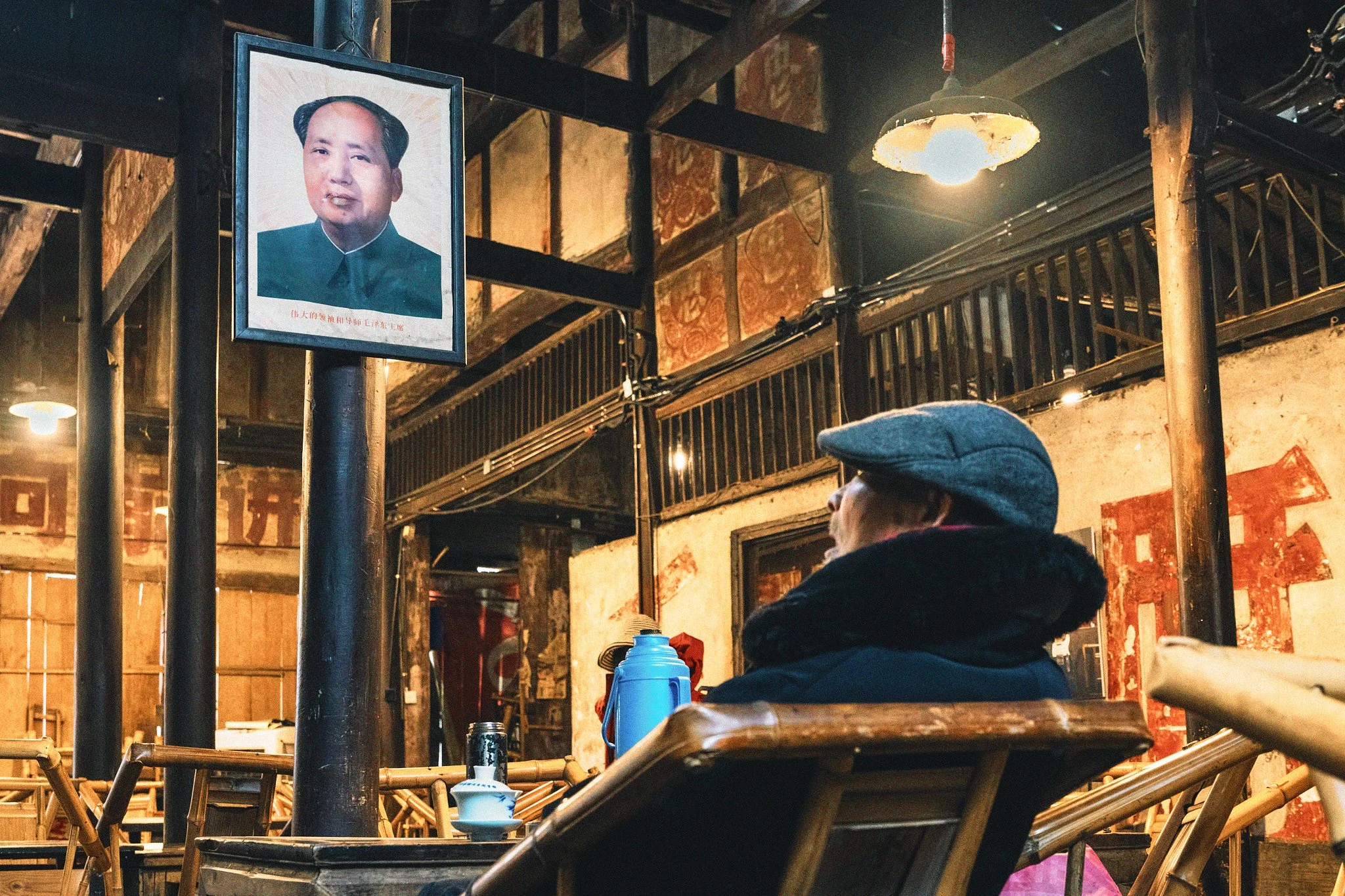
The Teahouse